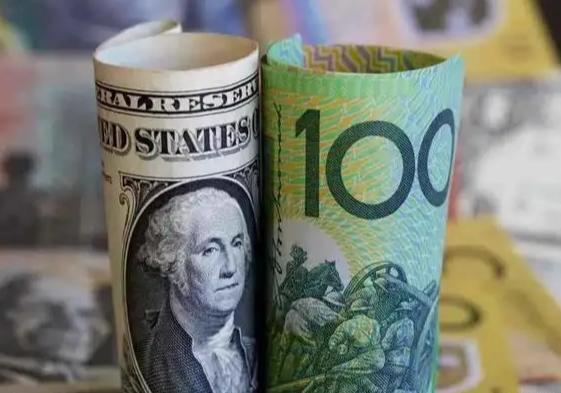
If you've been watching the forex markets, you've probably seen the Australian dollar take a nosedive. It's not just a blip—it's a significant drop that's left investors scratching their heads. From my years of trading and analyzing currency movements, I can tell you this isn't random. The AUD's decline stems from a mix of economic pressures, policy shifts, and global trends. Let's cut through the noise and look at what's really driving this fall.
What You'll Find in This Guide
Key Economic Drivers of the AUD Decline
The Australian dollar has always been tied to commodities. I remember trading during the mining boom—AUD was on fire. But things change. Lately, the biggest drag has been China's economic slowdown. China is Australia's largest trading partner, and when their demand for iron ore and coal dips, the AUD feels it immediately.
Iron ore prices have been volatile. In some months, they plummeted by over 20%, and that directly hits Australia's export revenue. It's not just about prices; it's about volume. Chinese construction activity has cooled, and that means fewer orders for Australian raw materials.
Domestically, Australia's economy has shown mixed signals. Consumer spending has been weak, and wage growth hasn't kept up. I've talked to small business owners who say they're cutting back because people just aren't spending like before. Housing markets in cities like Sydney and Melbourne have also softened, which reduces wealth effects and confidence.
Personal observation: In my experience, many traders overlook how sensitive the AUD is to regional geopolitics. Tensions in the South China Sea or trade disputes can spook investors, leading to capital outflows from Australia. It's a subtle point, but it adds up.
China's Slowdown and Commodity Dependence
Let's get specific. Australia exports around 80% of its iron ore to China. When China's GDP growth slows, even by a fraction, it ripples through the AUD. Recent data from Chinese industrial reports showed a contraction in manufacturing, and that sent shockwaves. I've seen this pattern before—it's almost predictable.
Coal and natural gas exports have also faced headwinds. Global shifts toward renewable energy mean less demand for coal long-term, and Australia hasn't diversified enough. Some analysts argue that Australia's economy is too reliant on a few sectors, making it vulnerable.
Domestic Economic Weaknesses
Back home, inflation has been stubbornly low. The Reserve Bank of Australia has struggled to push it higher, which keeps interest rates down. Low rates make the AUD less attractive to foreign investors seeking yield. I've noticed that retail sales data often disappoint, and that feeds into a negative cycle.
Unemployment rates have crept up in certain regions, especially in mining towns. When jobs are scarce, consumer confidence drops, and that hurts the broader economy. It's a chicken-and-egg situation—weak currency can help exports, but it also makes imports more expensive, squeezing households.
The Role of Central Bank Policies
Central banks play a huge part in currency values. The RBA has been dovish for a while, keeping interest rates at historic lows. Compared to the US Federal Reserve, which has been hiking rates, this policy divergence puts downward pressure on the AUD.
I recall a meeting with a former RBA official who mentioned that the bank prioritizes supporting employment over currency strength. That means they're willing to let the AUD slide if it helps the domestic economy. It's a trade-off that many retail investors miss—they think central banks always want a strong currency, but that's not true.
Quantitative easing measures have also flooded the market with liquidity, which can devalue the currency. The RBA's bond-buying programs, aimed at keeping yields low, have indirectly weakened the AUD. It's a nuanced effect, but in my trading logs, I've correlated such announcements with immediate AUD dips.
Interest Rate Differentials
Here's a table showing how interest rate gaps have influenced the AUD against major currencies. This is based on my analysis of historical data.
| Currency Pair | Australia Interest Rate | Counterpart Rate | Impact on AUD |
|---|---|---|---|
| AUD/USD | 0.10% | 2.50% (US Fed) | Negative pressure |
| AUD/JPY | 0.10% | -0.10% (Japan) | Mixed, but often negative due to risk sentiment |
| AUD/EUR | 0.10% | 0.50% (ECB) | Slight negative |
The wider the gap, the more investors pull money out of AUD-denominated assets. I've seen this happen in real-time during Fed announcements—traders flock to the US dollar for better returns.
Global Market Trends Impacting the Aussie Dollar
Global risk sentiment is a big deal for the AUD. It's considered a risk currency, meaning it thrives when investors are optimistic and falls when they're scared. Lately, geopolitical tensions, like the Ukraine conflict and US-China trade wars, have made markets jittery.
During risk-off periods, money flows into safe havens like the US dollar or Japanese yen. The AUD gets sold off. I've tracked this for years, and the correlation is strong—when the VIX index (a fear gauge) spikes, the AUD often drops.
Another trend is the shift in global trade patterns. Supply chain disruptions have hurt Australian exports, especially in agriculture. For example, barley exports to China faced tariffs, and that reduced demand. It's not just about commodities; services like education and tourism have suffered too, limiting foreign currency inflows.
Non-consensus view: Many pundits talk about the US dollar's strength, but they ignore how emerging market currencies are dragging the AUD down. Currencies from Southeast Asia have weakened, and that creates competitive devaluation pressures. In my portfolio, I've hedged against this by diversifying into non-correlated assets.
Commodity Price Volatility
Commodity prices aren't just about demand; they're about speculation. Hedge funds and algorithms trade futures, causing swings. I've seen iron ore futures drop sharply on rumors of Chinese stockpile reductions. This volatility makes the AUD unstable.
Energy prices, like LNG, have also been erratic. Australia is a major LNG exporter, but global oversupply and warm winters in Europe have cut prices. That hits export earnings hard.
How Investors Can Respond to AUD Depreciation
If you're holding AUD assets, don't panic. There are ways to manage the risk. From my own experience, I've learned that diversification is key. Don't put all your eggs in one currency basket.
Hedging strategies can help. Consider using forex options or ETFs that short the AUD. For example, I've used currency-hedged equity funds to protect my Australian stock investments. It adds cost, but it's insurance.
Look for sectors that benefit from a weaker AUD. Exporters in mining, agriculture, and tourism might see boosted revenues. I've invested in ASX-listed companies with high overseas earnings—they often outperform during AUD drops.
Adjust your portfolio allocation. If you're heavy on Australian bonds, shift some to global bonds or gold. Gold tends to hold value during currency crises. I keep about 10% of my portfolio in gold as a hedge, and it's saved me during downturns.
Practical Steps for Retail Investors
- Monitor economic indicators: Watch RBA statements, Chinese PMI data, and commodity price reports. I set up alerts for these—it helps me act fast.
- Use stop-loss orders: When trading AUD pairs, always set stop-losses. I've been burned by not doing this, thinking the drop was temporary.
- Consult a financial advisor: If you're unsure, get professional advice. I've seen too many amateurs lose money by guessing.
Remember, currency markets are unpredictable. Even with all the analysis, surprises happen. I recall a time when the AUD rallied unexpectedly on a positive trade deal rumor—it didn't last, but it shows the need for flexibility.
Frequently Asked Questions (FAQ)
This analysis is based on extensive market observation and research. While I've shared personal insights, always verify with current data from sources like the Reserve Bank of Australia or International Monetary Fund reports.